


The Psychology Behind Casino Design
Casinos are meticulously designed environments that leverage psychological principles to encourage players to stay longer and spend more. One of the central concepts in casino design is the idea of creating a labyrinthine layout that disorients players, including those who prefer a fast withdrawal online casino australia experience. By avoiding clear exits and creating a maze-like structure, casinos make it challenging for players to find their way out, thus increasing the likelihood of prolonged play. This deliberate disorientation encourages players to immerse themselves deeper into the gaming experience, often leading them to lose track of time.
Another psychological tactic employed is the use of bright lights and vibrant colors. These elements are strategically placed to evoke feelings of excitement and happiness, enticing players to engage more with the gaming options available. The visual stimulation keeps players alert and engaged, making it easier to forget their initial intentions, such as setting a time limit or a spending budget. As players move from one game to another, they often find themselves caught in a cycle of anticipation, hoping for that next big win.
Moreover, sound design plays a critical role in this immersive experience. The sounds of coins clinking, machines beeping, and celebratory music create an atmosphere that signifies action and success. This auditory stimulation can trigger dopamine release, akin to the rewards associated with gambling. Such sensory elements combine to create a captivating environment that encourages individuals to spend more time and money than they initially intended.
The Role of Rewards and Incentives
Casinos also implement a variety of rewards programs designed to keep players engaged and coming back for more. These programs often include loyalty points, complimentary meals, and exclusive offers that accumulate based on players’ activity. The more a player spends, the more rewards they receive, fostering a sense of value in continued play. This strategy not only incentivizes longer play but also cultivates a feeling of commitment, as players tend to chase their benefits, believing they are getting more for their money.
This system creates a psychological phenomenon known as the “sunk cost fallacy,” where players feel compelled to continue playing to justify their previous expenditures. The notion that they are on the verge of earning a reward can be so powerful that it overshadows their original motives for visiting the casino. Consequently, players may end up spending more than they originally intended simply to reap the benefits of their loyalty tier.

Additionally, special events and promotions, such as tournaments or exclusive game nights, are often designed to attract players and keep them engaged for extended periods. These events create a sense of urgency, pushing players to spend more time in the casino to not only participate but also maximize their chances of winning prizes. This blend of social interaction, competition, and the allure of potential rewards keeps players returning for more, even when they may not initially plan to stay long.
The Impact of Game Design and Accessibility
The role of game design cannot be understated when discussing how casinos keep players engaged. Many games, particularly slot machines, are engineered with features that enhance their addictive quality. Elements such as game mechanics, themes, and even the pacing of wins are all carefully curated to maximize player engagement. For instance, near-miss scenarios are commonly used in these games, where a player comes close to winning, creating an illusion of potential victory that entices them to keep playing.
Furthermore, casinos often choose to position their most enticing games in high-traffic areas. By strategically placing popular options near entrances or main walkways, casinos ensure that players are continuously exposed to these engaging experiences. This accessibility encourages impulsive decisions, as players are more likely to sit down and play when they can easily see others winning or having fun. The more intricate and engaging the game, the longer players are likely to stay at their seats.
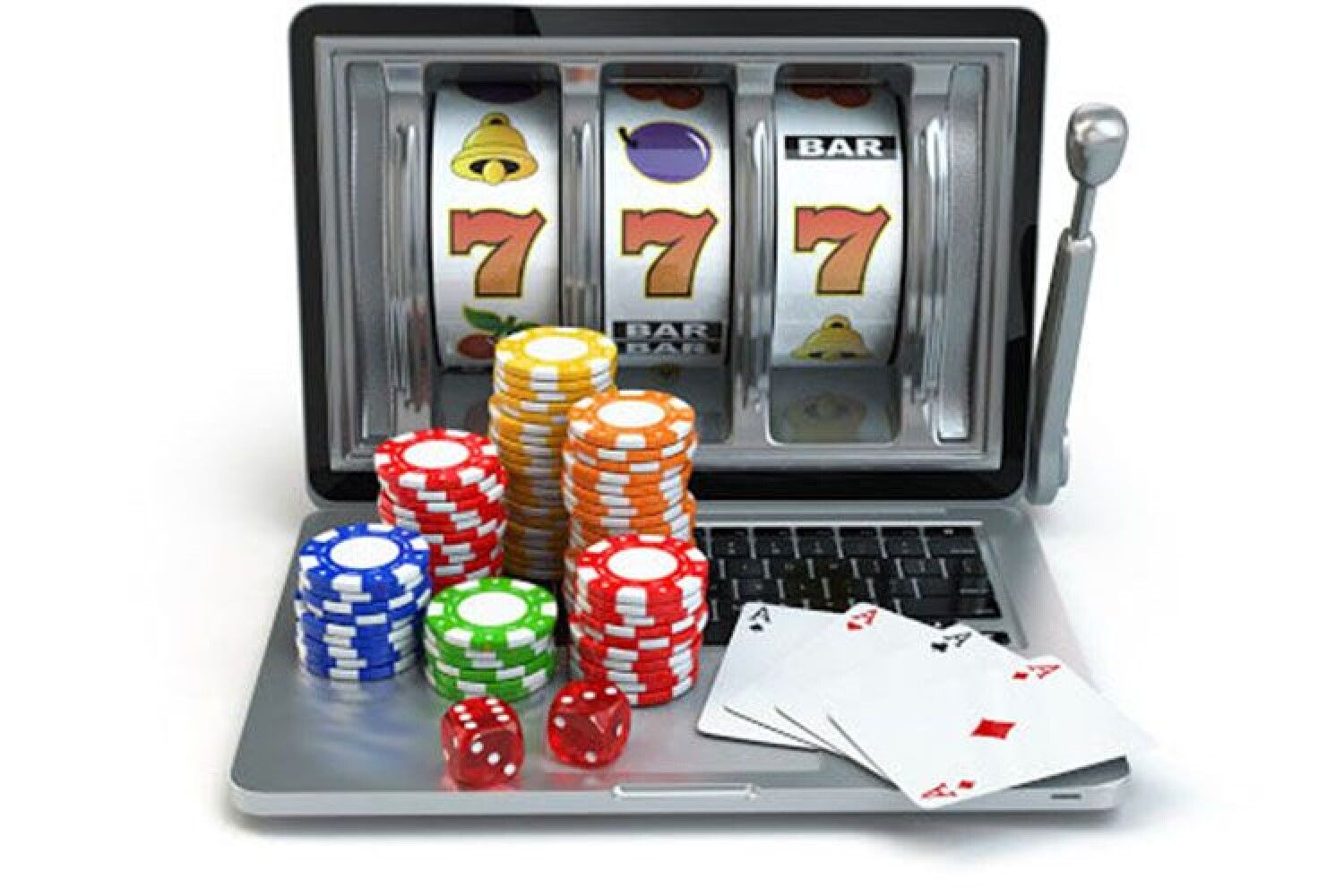
Moreover, many modern casinos are now adopting electronic gaming technologies that enhance interactivity and engagement. The emergence of virtual reality (VR) gaming and mobile platforms allows players to access casino experiences anytime and anywhere, further extending their engagement. As players become more invested in these intricate game worlds, the lines of time and space blur, leading to longer playing durations as they get lost in the experience.
The Social Dynamics of Casino Gaming
The social aspect of casino gaming also serves as a powerful motivator for extended play. Casinos have evolved into entertainment hubs, offering a lively atmosphere where players can interact with others. The communal aspect of gaming fosters a sense of camaraderie and shared experience, encouraging individuals to linger and continue playing. Whether it is chatting with fellow players at the table or sharing stories over a slot machine, these social interactions keep people engaged.
Furthermore, many casinos host live events, entertainment shows, and themed nights that add to the social energy of the venue. These activities create a vibrant atmosphere that extends beyond gaming, drawing in patrons who may not necessarily come to gamble but are enticed by the overall experience. As players engage socially, they are more likely to extend their stay, further contributing to the casino’s objective of keeping players entertained and involved for longer periods.
This social engagement is particularly significant in poker rooms or table games, where camaraderie can enhance the gaming experience. Players often enjoy the banter and shared excitement of playing against each other, which can prolong their time at the tables. In essence, the social dynamics embedded in casino culture become another layer of strategy employed to increase player retention and make the gambling experience more enjoyable.
Your Gateway to Understanding Casino Dynamics
Understanding the intricate strategies casinos use to keep players engaged and extend their playing time can empower individuals to make informed decisions about their gambling habits. By recognizing these methods, players can better navigate their gaming experiences and set boundaries to enjoy entertainment responsibly. Knowledge about the psychological tricks, reward systems, game design, and social engagement can help players critically evaluate their motivations and behaviors while gambling.
Moreover, if you’re keen on exploring more about the gambling industry and its strategies, there are countless resources available online. Various websites offer insights into responsible gaming practices that can help players maintain control and enjoy their time at casinos without falling into excessive spending. Familiarizing yourself with these concepts can enhance your understanding of the casino environment.
By being aware of how design and psychology intersect within the gaming world, you can turn your casino visits into a mindful experience. Taking time to learn and reflect on the various aspects of casino operations can lead to a more enjoyable and responsible gambling journey, allowing you to appreciate the entertainment without compromising your financial well-being.

Comments are closed